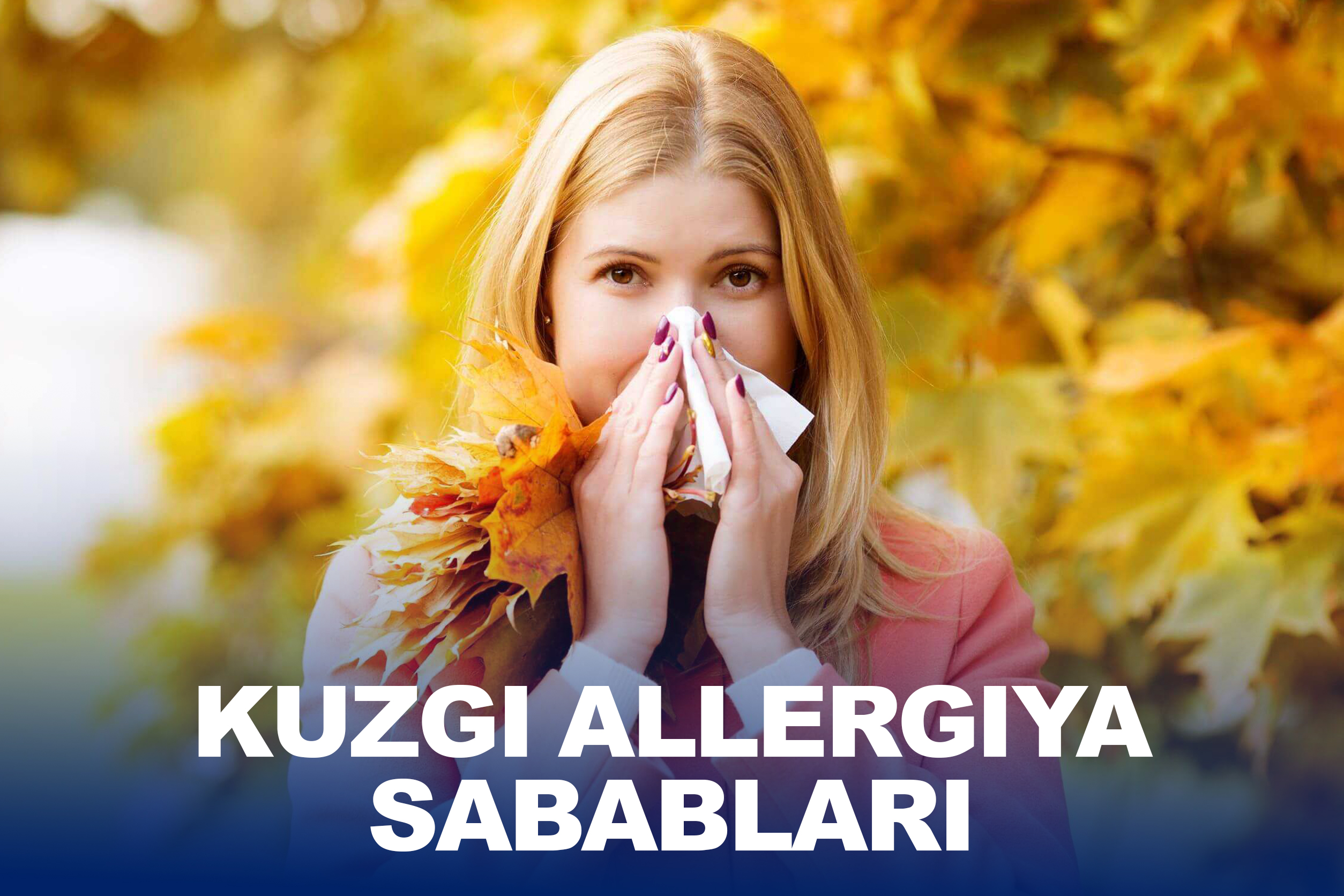
Seasonal allergies occur not only in spring and summer but also during autumn. From late summer until the onset of cold weather, weeds release pollen that acts as a major allergen, causing symptoms such as sneezing, runny nose, and itchy eyes.
According to studies conducted at the International Center of Molecular Allergology, the most common weed allergens among the population of Uzbekistan are Salsola kali (Russian thistle) and Artemisia vulgaris (mugwort).
During autumn, increased humidity creates favorable conditions for the growth of mold fungi, which are another cause of fall allergies. Alternaria and Cladosporium molds mainly thrive in piles of fallen leaves and damp areas. Sensitivity to these allergens has been recorded among the population.
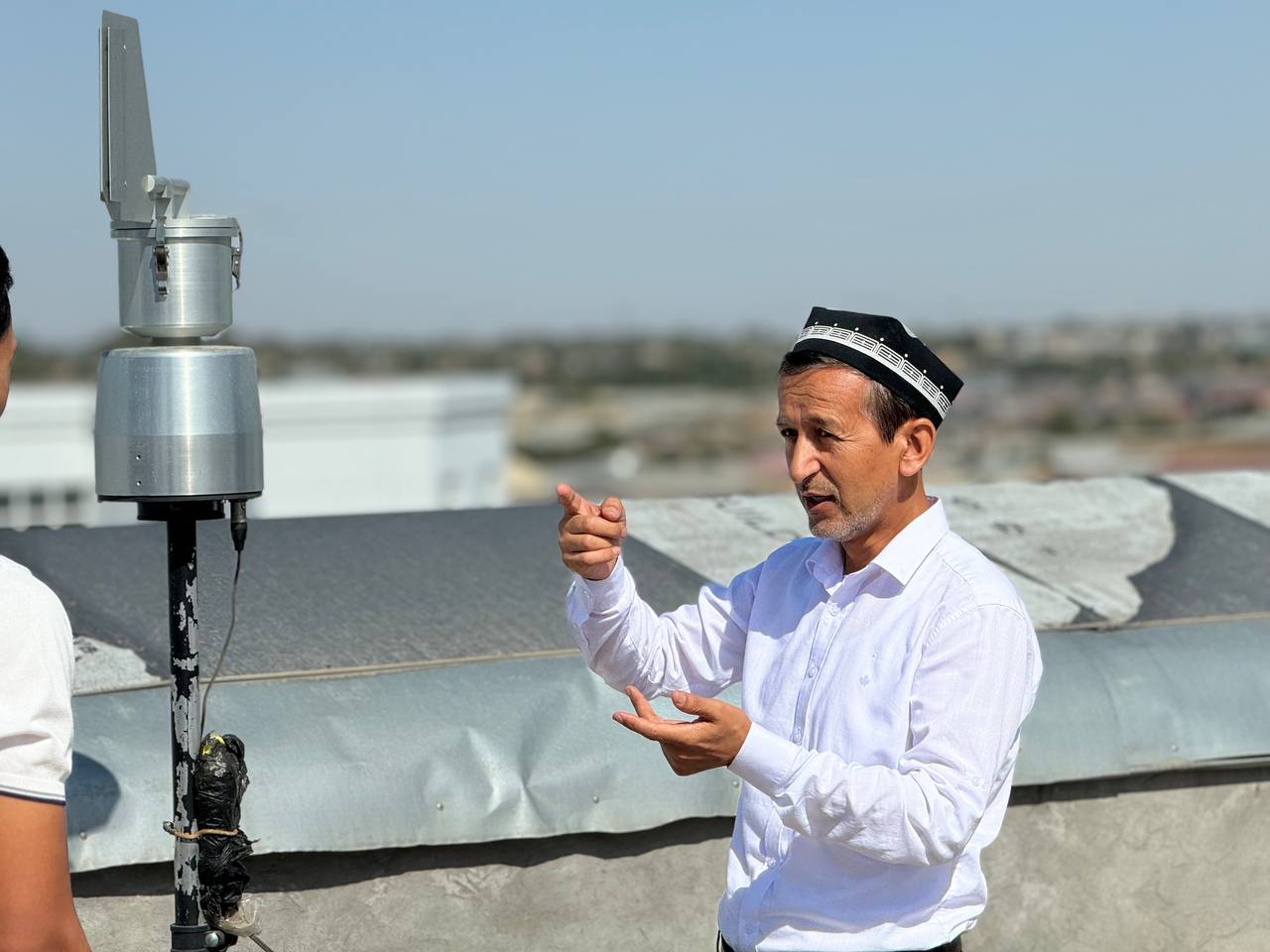
The Center’s aeropalynological studies also detect fungal spores in the air, and the results are regularly published on social media.
Mold can also grow indoors in humid places such as bathrooms, basements, and flower pots. As cold weather arrives and people spend more time indoors, allergy symptoms related to dust mites may worsen.
Since acute respiratory viral infections (ARVI) present with similar symptoms — sneezing, runny nose, and coughing — distinguishing them from allergic diseases can be difficult.
It is recommended to consult a doctor to determine the exact cause of your condition.
Master’s students of the Department of Biotechnology, Ecology and Fore…

At the Tashkent Pediatric Medical Institute, a practical training session wa…

O‘zbekiston Respublikasi Vazirlar Mahkamasining 2018-yil 25-oktabrdagi…
